Operational intelligence for the commercial bail industry.
 Operations
 The difference between agencies running on spreadsheets and phone calls and agencies running on integrated operational platforms is visible in every metric that matters: forfeiture rates, FTA recovery windows, collections yields, and compliance audit readiness.
 Industry Insights
 Tightening state regulation does not just affect agencies directly. It changes what sureties look for when evaluating the agencies they authorize to write on their paper. Understanding those new scrutiny patterns before your next surety audit is a competitive advantage.
 Operations
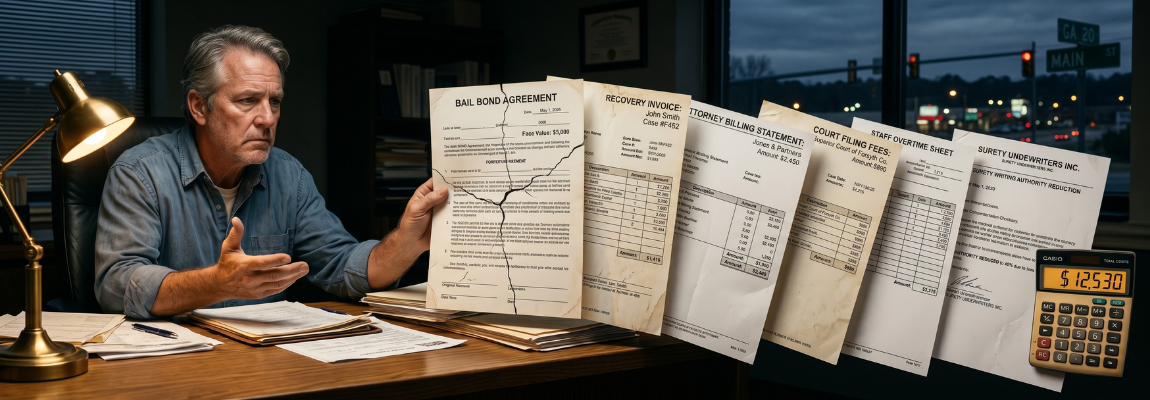
 A forfeiture's face value is a starting point, not a total. The real cost includes recovery expenses, legal fees, staff time, surety relationship damage, and lost writing capacity. When recovery costs rise, every one of those numbers gets larger.
 Industry Insights
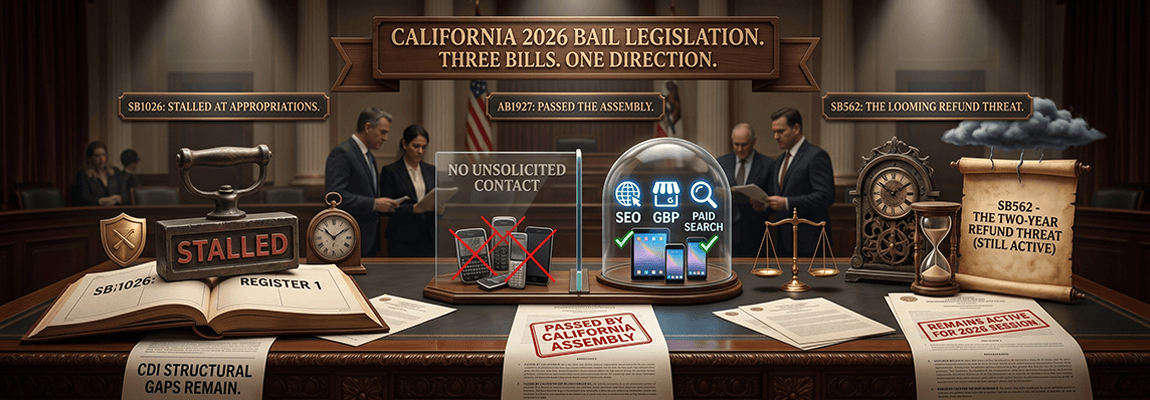
 Three bills are actively reshaping California bail: SB1026 stalled at Appropriations, AB1927 restricts outbound solicitation, and SB562 threatens bail economics. Here is what each bill does and what the pattern behind all three means operationally.
 Industry Insights
 California's SB1026 stalled at Appropriations in May 2026, giving the industry a temporary reprieve. Here is what the bill would have required and what the regulatory direction it represents means for agencies building in-house recovery capacity.
Industry Insights Tightening state regulation does not just affect agencies directly. It changes what sureties look for when evaluating the agencies they authorize to write on their paper. Understanding those new scrutiny patterns before your next surety audit is a competitive advantage.
 Industry Insights
 Most bail agency compliance failures are not intentional. They are structural: record-keeping gaps, POA accountability drift, late premium remittances, and missed state filing deadlines that accumulate silently until the surety or the state insurance department forces the conversation.
 Industry Insights
 Electronic authorities are replacing physical power of attorney books across surety relationships. Here is what the shift means, why sureties are pushing it, and how to navigate the transition.
 Industry Insights
 Your surety sets the ceiling on your writing authority. Most agencies manage this relationship reactively. The ones with the strongest books do not.
 Operations
 Most bail agency collections failures are not failures of effort. They are failures of escalation: agencies run soft outreach past the point where harder instruments would have recovered the account.
 Operations
 Most agencies collect enough information to write the bond. Low-loss agencies collect enough information to evaluate whether they should. The intake call is the last moment the agency controls what risk it takes on before execution.
Operations The difference between agencies running on spreadsheets and phone calls and agencies running on integrated operational platforms is visible in every metric that matters: forfeiture rates, FTA recovery windows, collections yields, and compliance audit readiness.
Operations A forfeiture's face value is a starting point, not a total. The real cost includes recovery expenses, legal fees, staff time, surety relationship damage, and lost writing capacity. When recovery costs rise, every one of those numbers gets larger.
 Operations
 Most bail agencies offer payment plans informally, without underwriting the installment structure the same way they underwrite the bond itself. The agencies that have built premium financing into a systematic revenue operation close more bonds, collect more of what they are owed, and carry less delinquency than the ones running payment plans on handshakes.
 Operations
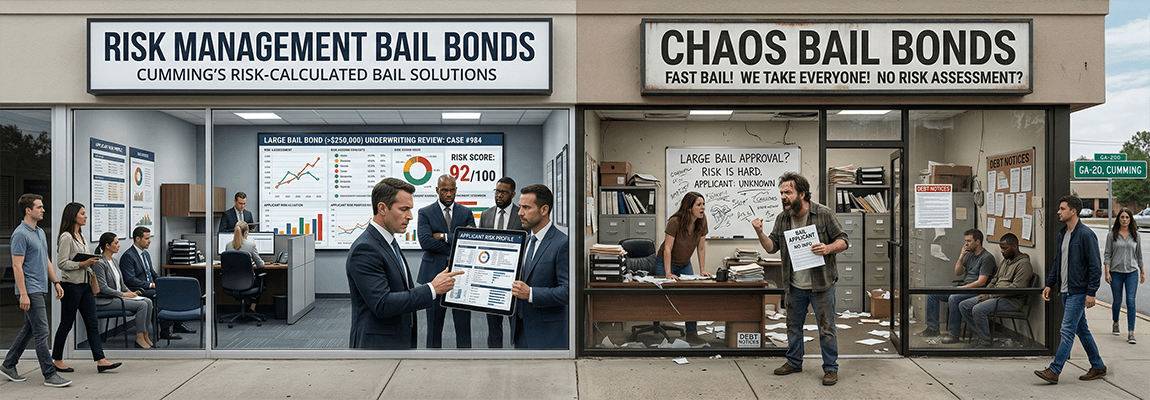
 The underwriting decision is where most bail bond losses are set in motion. Here is the risk assessment framework that separates agencies running at half the industry forfeiture rate from the ones absorbing bad risk they did not know they were writing.
 Marketing
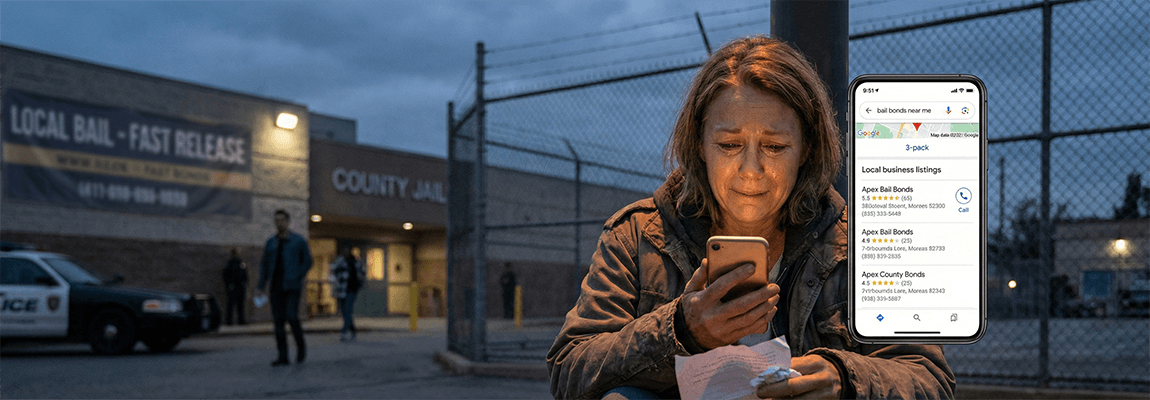
 When a family searches for a bail bond at 2 AM, they are not scrolling past page one. Here is how to own the searches that actually convert.
 Marketing
 Your Google Business Profile is the most underutilized free asset in local search. Most agencies have it wrong in at least four ways.
 Marketing
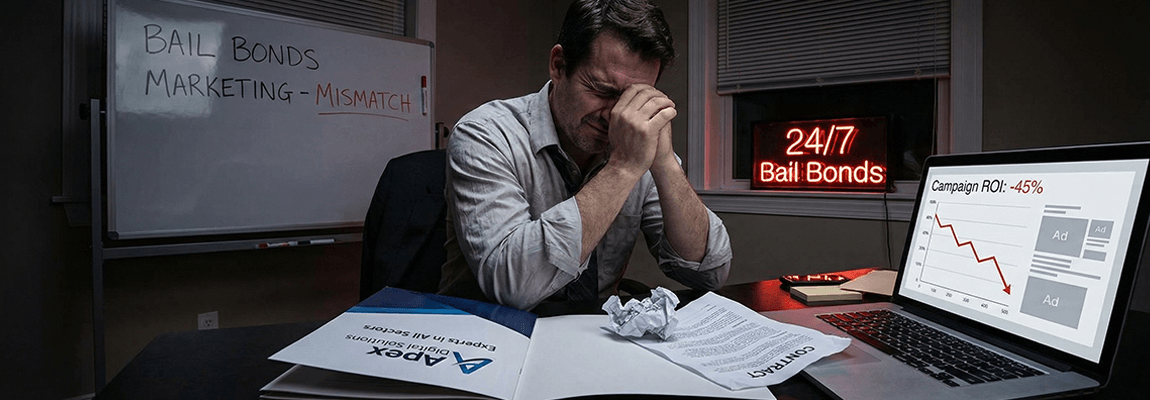
 Most digital agencies have never set foot inside a bail bond office. Here is what to ask before you sign anything.
 Marketing
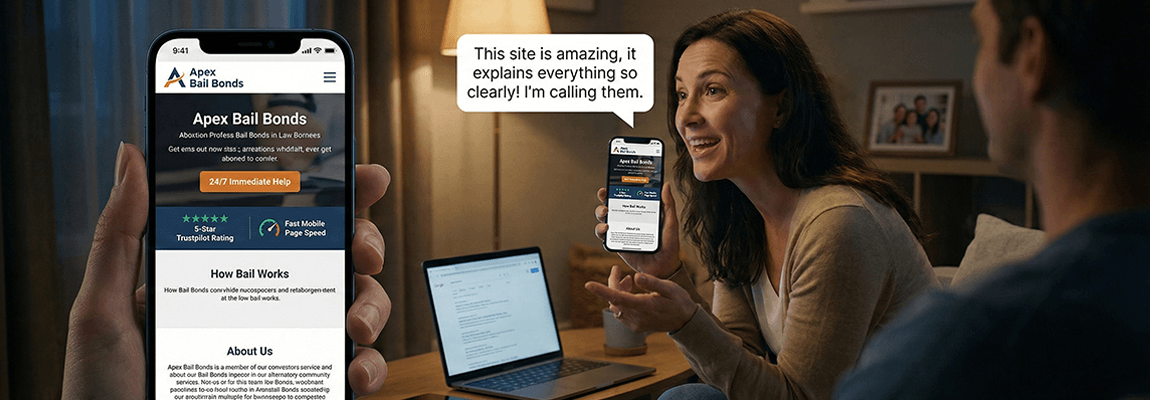
 Most bail bond websites are actively losing calls. Here is a systematic audit to identify exactly where they fail and what to fix first.
 Recovery
 A court date calendar tells you when defendants are scheduled to appear. It does not tell you whether they will. The agencies with the lowest FTA rates are monitoring what happens between hearings, not waiting until the court date to find out.
 Recovery
 Fugitive recovery is not a manhunt. It is a structured information campaign with a closing window. The agencies that recover defendants consistently fastest make different decisions in the first 72 hours, not in the final weeks before a summary judgment deadline.
 Recovery
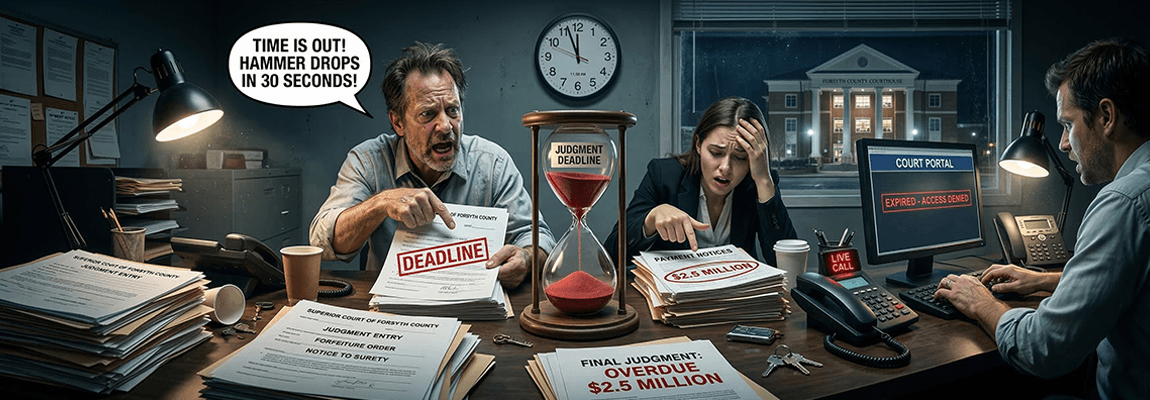
 A summary judgment converts a forfeiture into an enforceable court judgment. Here is what it means for your reserves, your surety relationship, and your ability to write, and the framework that keeps it rare.
 Recovery
 Every bond you write carries exposure. The best agencies are not lucky. They are systematic. Here is the framework that separates them.
 Recovery
 Most agencies only reach out to indemnitors when something goes wrong. By then, the relationship needed to navigate the crisis was never built.
IntelliBail doesn't need your staff to change. It just makes everything around them work better. Secure, fast, and built by operators who understand how bail actually runs.
Don't take our word for it. See projected lift in: