Every investigation starts with the same question: what do we know about this person? Agencies without Recover answer that with a cold phone number and scattered notes. With IntelliBail Recover, the answer is a complete case file: behavioral history, contact log, co-signer intelligence, court data, built from the moment the application was signed.


FTA hits. The forfeiture clock starts. By the time the file lands on the recovery desk, your team is reconstructing a life from old notes and cold numbers, while the defendant has had days or weeks of runway. That gap is not a people problem. It's an intelligence problem, and the first 30 days after an FTA decide most outcomes.
 Always-On Recovery Intelligence
“NobodyplannedthiscaseforFTA.Thedefendantgotout,wentquiet,andwhentheydidn'tshow,yourteamopenedafilethathadn'tbeentouchedsinceorigination.Coldcontacts.Staleaddresses.Aco-signerwhostoppedansweringweeksago.”
Recover has been building your case file since day one. Behavioral signals logged. Contact patterns recorded. Co-signer intelligence current. When an FTA is confirmed, operators open a complete picture, not a blank file, long before any summary judgment deadline.
Payment cadence. Call behavior. Check-in compliance. Schedule deviation. Each data point layered into a risk profile that updates in real time, from day one to case close.
A missed check-in. A delayed reply. A pattern shift that looks like nothing on its own, and everything in context. Recover surfaces these as escalation indicators while leverage still exists and intervention is still possible.
When action is needed, operators don't decide by instinct. Recover ranks available moves by probability of success (contact sequence, pressure points, timing) based on what the behavioral record actually shows.
Full bond history from the underwriting record. Behavioral timeline. Contact map. Prior touches. Team notes. Exposure calculation. Everything an operator needs in one view.
Every active forfeiture shows its posture, summary judgment timing, and dollar exposure, ranked so operators and leadership know exactly where the pressure is highest as the clock advances.
Co-signers aren't passive observers, they're leverage. Recover runs structured outreach, timed escalation, and accountability sequences that turn indemnitor obligation into active cooperation. Integrated with Collect for full behavioral history.
Every case file assembled before you need it. That's the difference between catching up and closing in. See Recover in action →
From origination to resolution, every move is sequenced, logged, and repeatable. Recover doesn't improvise. It executes. Prevention still comes first: see the FTA prevention framework.
Bond signed. Risk profile locked in through Insight. Defendant and co-signer data captured. Court calendar synced. The case file is open.
Check-in compliance, payment cadence, call responsiveness, contact pattern. Logged quietly. Updated continuously.
A pattern shifts. Recover surfaces it as an escalation signal, while leverage still exists and options are still open.
Court flags the no-show. The operator workspace activates with a complete case file already loaded. No scramble. No cold start.
Confidence-ranked next steps surface immediately. Highest-probability moves first. Operators work the case, not the question of where to start.
Structured outreach sequence activates through IntelliBail Voice. Timed nudges. Escalation triggers. Indemnitor obligation converted to active cooperation.
Recovery operators move with real intelligence: contact history, known locations, optimal timing. Not a hunch. A plan.
Apprehension or voluntary surrender. Case closed clean. Every data point logged to sharpen the next recovery.
No cold starts. No reconstruction. No guessing where to begin. Book a private demo →
Recover runs on the intelligence built by IntelliBail Insight, the underwriting engine that profiles defendants from application forward. Every signal captured at intake becomes evidence in recovery. By the time an FTA triggers, the case isn't starting. It's already assembled.
Built at origination. Enriched continuously. Every known address, number, and association captured, and kept current.
Every call attempted. Every non-answer. Every excuse. Logged in sequence so operators know exactly where each person stands.
Hearing schedule auto-synced. Check-in compliance logged. First deviation flagged automatically.
Schedule slippage. Missed calls. Co-signer disengagement. Each signal surfaced individually and weighted in context.
Verified at intake. Still current when recovery starts. Leverage is only useful when you can find it fast.
Structured case file assembled continuously. Operator-ready before the FTA, not after.
IntelliBail Collect doesn't just record payments, it builds a pressure map. Who pays. Who deflects. Who goes silent. Who folds under follow-up. When Recover activates, that map is already loaded. No briefing required.
First missed payment to escalation, every point logged in sequence. Behavior drives prioritization, not just balance.

Agencies running Recover don't just close forfeitures faster. They stop losing the time, money, and leverage that reactive recovery burns through by default.
Start the conversation →Operators open a case with a complete picture. No reconstruction. No briefing calls. Just the next move.
FTA-to-apprehension time shrinks when the case file is already complete at trigger.
Summary judgment exposure decreases as cases move from reactive to intelligence-led closure.
Indemnitor cooperation increases when outreach is sequenced around behavioral patterns and obligation triggers.
Every recovery action is timestamped, logged, and audit-ready, for sureties, regulators, and courts.
Every FTA your team works without Recover is a case started cold. Book a walkthrough and see the difference. IntelliBail's full platform is built to eliminate that gap.
The questions operators actually ask before they commit. If you want to go deeper, request a walkthrough.
At bond origination. Recover doesn't activate at FTA, it's been logging behavioral signals from first touch. Contact patterns, check-in compliance, payment friction, co-signer responsiveness. When an FTA occurs, the case file isn't being built. It's already there.
Insight feeds defendant intelligence from bond origination. Collect provides payment history and co-signer leverage data. When an FTA triggers, Recover inherits the full picture: no manual briefing, no data entry, no gaps. One continuous record from first application to case close.
Yes, and that's the point. Early-warning indicators surface behavioral drift before a defendant misses court. Agencies that catch the signals early can intervene while leverage still exists. The longer a bond is on the books, the more complete the intelligence. When FTA hits, you're closing in, not catching up.
Yes. All signals are logged with complete audit trails. The methodology focuses on behavioral patterns and contact responsiveness, documented and defensible to regulators, sureties, and courts. Full compliance documentation is available on request.
Encrypted at rest and in transit, role-based access controls, complete audit trails, geographically redundant storage. The infrastructure standards are the same used by financial institutions for sensitive client data. Full security documentation available on request.
Most recovery operators open a case and decide what to do next based on experience. Recover does that calculation for them, ranking available actions by likelihood of success based on behavioral patterns, co-signer leverage, contact responsiveness history, and timing. Operators execute the highest-probability moves first, not the most familiar ones.
Court integrations flag the FTA automatically. The workspace activates with the full case file, early-warning history, confidence-ranked next steps, and financial exposure calculations already loaded. Co-signer outreach queues. Operators move from intelligence, not from a cold start.
By financial exposure, time to summary judgment, and operator capacity. High-exposure cases approaching the summary judgment window get priority. Confidence-ranked next steps inside each case keep operators focused on the moves with the highest probability of resolution.
Weeks. System configuration around your workflows, team training, integration with Insight and Collect, then live operation with dedicated support, all structured to have your team running on the system, not still learning it, within the first month.
Operational intelligence for the commercial bail industry.
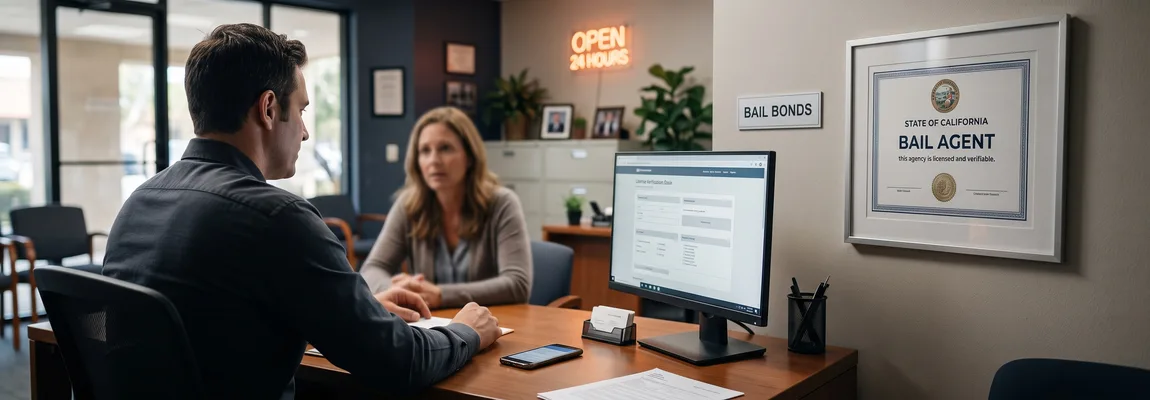 Industry Insights California Made Impersonating a Bail Agent a Crime. Reputable Agencies Have the Most to Gain. AB1927 adds Penal Code 538j, making it a crime to pose as a licensed bail agent while soliciting bail. Here is what the law does, how it changed before passage, and why it protects reputable agencies more than it burdens them.
 Industry Insights SB1026 Died in Committee. California's Bail Recovery Rules Did Not. Here Is What Comes Next. SB1026 was held in committee, but California's bail fugitive recovery rules did not change. Here is current BFRA law, which provisions are likely to return in 2027, and what agencies can lock down now.
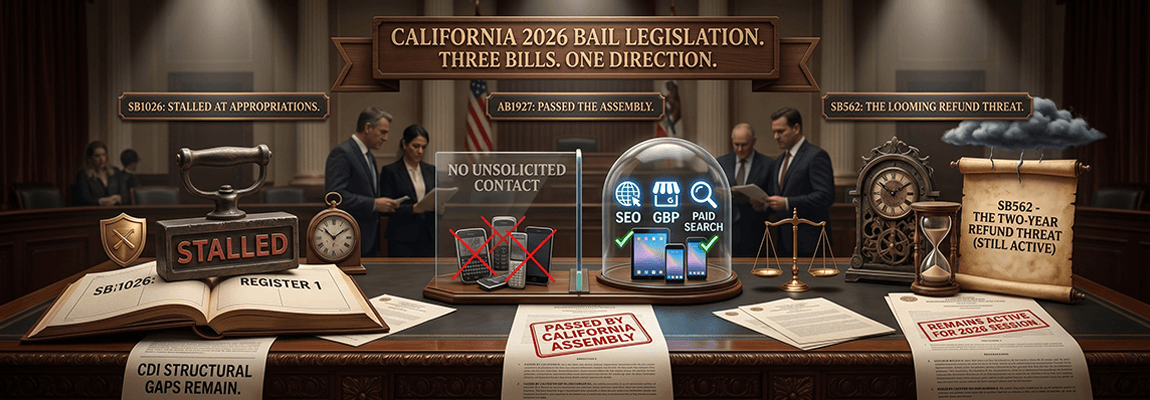 Industry Insights California's 2026 Bail Legislation: What SB1026 Stalling, AB1927, and SB562 Mean for Every Agency in the State Three bills are actively reshaping California bail: SB1026 stalled at Appropriations, AB1927 restricts outbound solicitation, and SB562 threatens bail economics. Here is what each bill does and what the pattern behind all three means operationally.
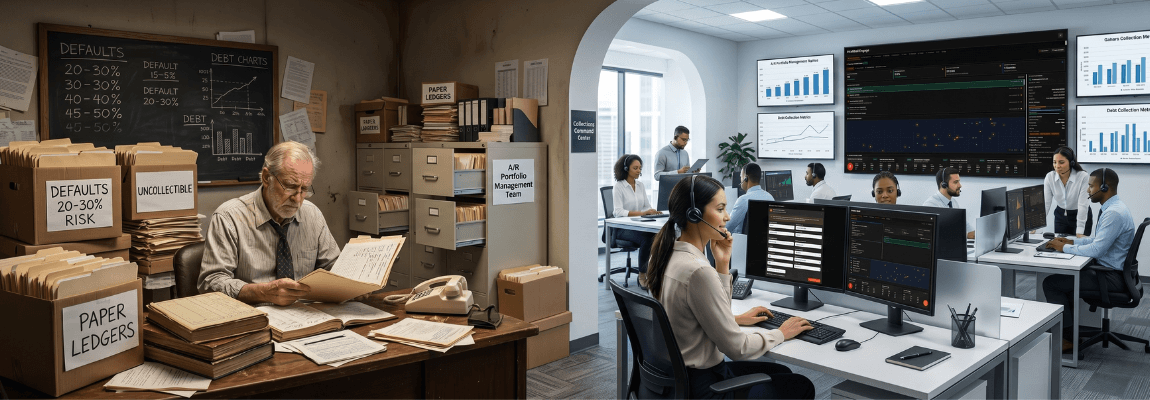 Operations Collections Without a Judgment: The Enforcement Tools Most Bail Agencies Never Use Most bail agency collections failures are not failures of effort. They are failures of escalation: agencies run soft outreach past the point where harder instruments would have recovered the account. Here is the enforcement toolkit that exists beyond the phone call.
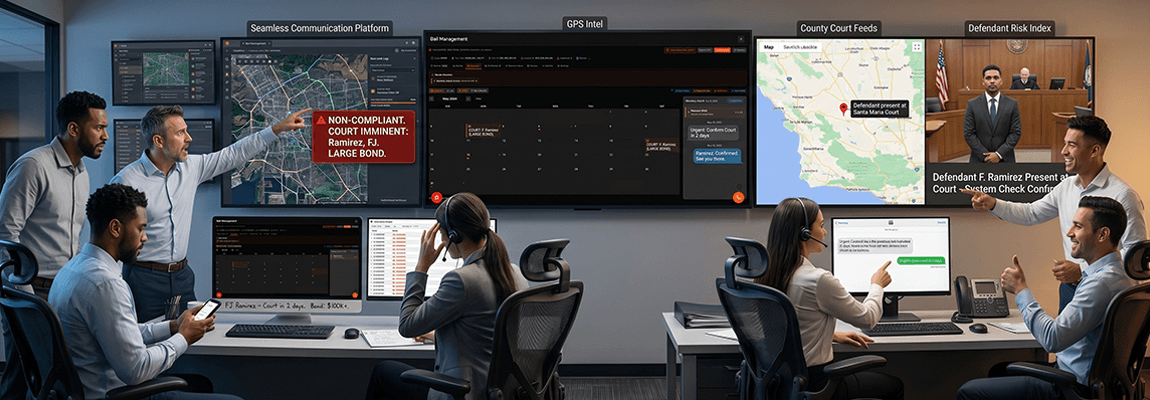 Recovery The Hearing Calendar Is Not the Risk Calendar. How Low-FTA Agencies Track Defendants Between Appearances. A court date calendar tells you when defendants are scheduled to appear. It does not tell you whether they will. The agencies with the lowest failure-to-appear rates are monitoring what happens in the days and weeks between hearings, not waiting until the court date to find out.
 Operations The First Call Is the Underwriting Interview. What Low-Loss Agencies Learn Before the Bond Is Written. Most agencies collect enough information to write the bond. Low-loss agencies collect enough information to evaluate whether they should. The intake call is not administrative; it is the last moment where the agency controls what risk it takes on before execution.
IntelliBail doesn't need your staff to change. It just makes everything around them work better. Secure, fast, and built by operators who understand how bail actually runs.
Don't take our word for it. See projected lift in: